

Topic Summaries
Speed reading strategies for comprehension
READING SKILLS
WRITING SKILLS: Analytical writing skills
WRITING SKILLS: Imaginative writing skills
WRITING SKILLS: Persuasive writing skills
PUNCTUATION
READING SKILLS
WRITING SKILLS: Analytical writing skills
WRITING SKILLS: Imaginative writing skills
WRITING SKILLS: Persuasive writing skills
PUNCTUATION
Below are a range of strategies you can use to approach source texts and extracts in exam conditions. You can test out any combination of these to find ones that best help you efficiently comprehend the material so that you can maximise the time you have to write your answers.
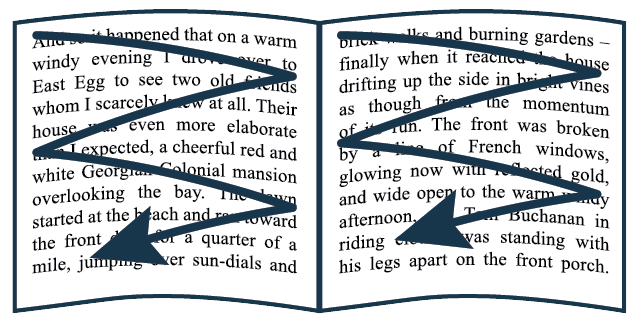
SKIMMING: quickly scanning the text to get a general understanding of content, key ideas, and structure. This can be accomplished by moving down the page in a zig-zag pattern and limiting yourself to about 30 seconds for a full page of text. The aim is not to understand or remember everything but to get a general impression of the text so that you could answer very basic questions (i.e. does the character feel afraid or excited? Is the weather welcoming or dangerous? etc.)
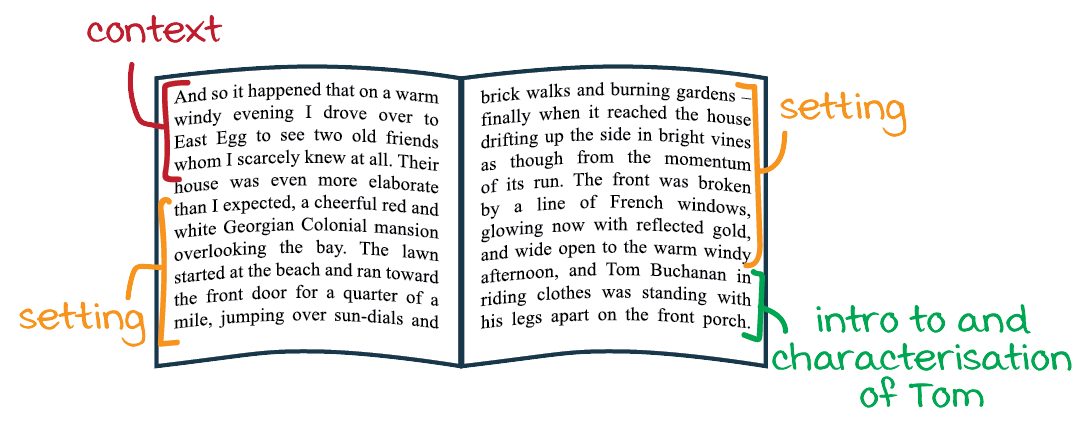
CHUNKING: break the text up into more manageable sections and just focus on understanding or summarising each one. This is made easier if your source text has paragraph breaks. This can help prevent you from feeling overwhelmed with a long text. It also helps highlight the sequence of information within the text and map out the progression of ideas.
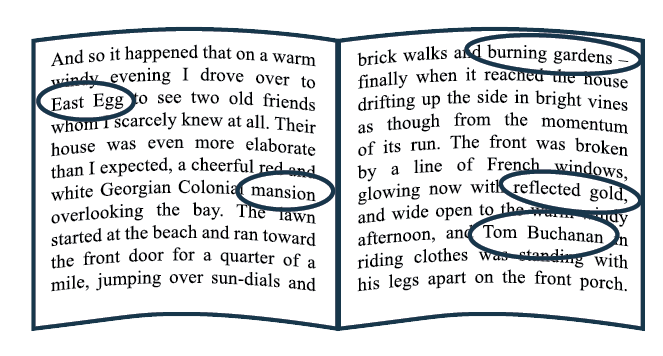
SCANNING: a more focused form of reading where you look for specific information such as names, numbers, or key words without needing to read the entire text in detail. This works especially well if you read the key words or phrases in the questions first, then scan the text for those terms.
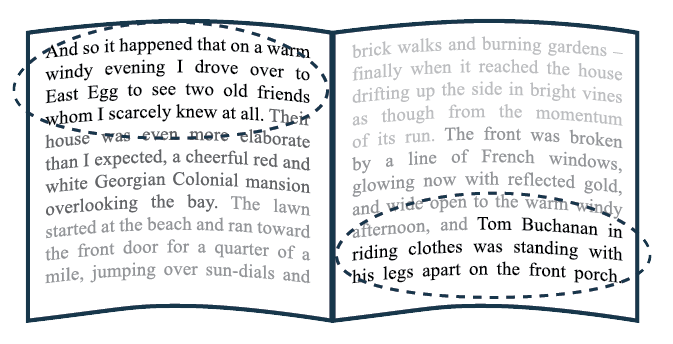
SELECTIVE READING: involves only paying attention to specific sections of text while ignoring others or leaving them for a more in-depth reading later. Again, this is helpful with longer texts and can help you eliminate extraneous information. For instance, you could only read the first and last sentence of each paragraph. Furthermore, it encourages you to ignore words you may not know on your first reading so that you can just focus on the core ideas of the text without getting bogged down with individual words.
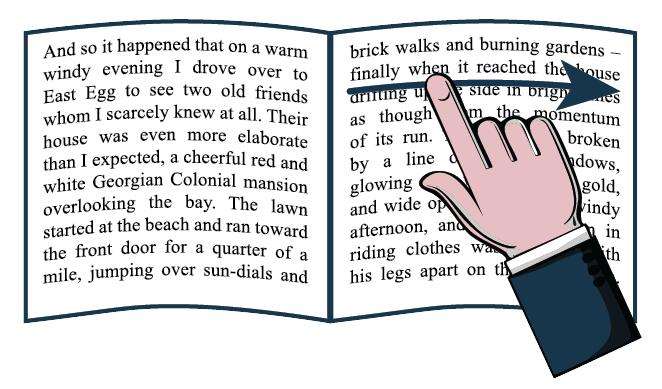
FINGER-GUIDED READING: use your finger to guide your eye in speed reading. Move your finger at a smooth but fast pace (e.g. 1 second per line) and don’t focus on reading word-for-word – just form a general impression of the passage.
VISUALISATION: create a mental image of the text as it unfolds. By the end, you will know which elements of the text are important because they will dominate your visualisation. It will also make the information within the text more memorable, thereby helping you answer questions faster. In addition, you’ll have an advantage for any questions that ask you to explain something ‘in your own words,’ as you can draw from your own visualisation as opposed to just relying on quotes from the text.

Unlock Speed reading strategies for comprehension
Subscribe to SnapRevise+ to get immediate access to the rest of this resource.
Premium accounts get immediate access to this resource.