
GCSE Physics (AQA)
346 videos | 23 hours
Please subscribe to watch this video.
This, and all other videos, are included in our premium subscriptions.
Premium accounts get access to all videos.
Enable autoplay to keep watching
Your browser is blocking videos from playing automatically. To turn it back on:
Safari (Mac): Click the Safari menu item in the top bar, then Settings → Websites → Auto-Play, then set Auto-Play to Allow All Auto-Play for the current website.
Safari (iPhone/iPad): open the Settings app, then Apps → Safari → Auto-Play, and select Allow All Auto-Play.
Background Radiation Dose
- Average person in the UK receives a yearly radiation dose of 2.4 milli cts from background radiation.
- Background radiation is natural and comes from various sources.
- The dose from background radiation is not harmful but can slightly increase cancer risk.
- Background radiation dose can vary based on location or occupation.
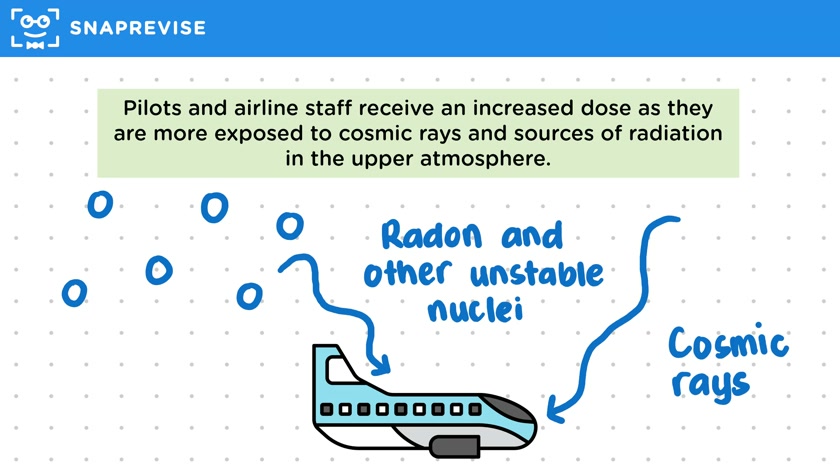
- Pilots and airline staff have increased exposure due to cosmic rays and upper atmosphere radiation.
- Passengers also receive this dose but less frequently.
- Cosmic rays are electromagnetic waves from space; atmospheric radiation comes from radon and unstable nuclei.
- Doctors and hospital workers have increased exposure due to radioactive procedures.
- Radiotherapy is an example of a procedure using radiation to kill cancer cells.
- Measures are taken to reduce exposure, such as operating machines remotely and keeping track of radiation exposure.
- Nuclear power station workers follow similar procedures.
- Areas around hospitals, nuclear power stations, and contaminated soil/rocks have higher background radiation.
- Radioactive waste and medical X-rays contribute to background radiation in these areas.
- In exams, it's important to explain why certain people receive more background radiation than others.
Please subscribe to access these revision notes.
This, and all other video notes, are included in our premium subscriptions.
Premium accounts get access to all videos and revision notes.
137
questions for Atomic structure
26
questions for Hazards and uses of radioactive emissions and of background radiation (physics only)