
GCSE Physics (AQA)
346 videos | 23 hours
Please subscribe to watch this video.
This, and all other videos, are included in our premium subscriptions.
Premium accounts get access to all videos.
Enable autoplay to keep watching
Your browser is blocking videos from playing automatically. To turn it back on:
Safari (Mac): Click the Safari menu item in the top bar, then Settings → Websites → Auto-Play, then set Auto-Play to Allow All Auto-Play for the current website.
Safari (iPhone/iPad): open the Settings app, then Apps → Safari → Auto-Play, and select Allow All Auto-Play.
Biofuel
- Plants collect energy from sunlight and store it as chemical energy through photosynthesis.
- The sun is a significant energy source, transferring energy to plant leaves as light.
- Plants convert water and carbon dioxide into glucose using this energy, which animals consume, starting the food chain.
- Biofuels are plant-based materials that can be burned to release stored chemical energy.
- Firewood is a typical biofuel, releasing thermal energy when burned.
- Most biofuels are waste products from other uses of plant matter.
- Biofuels have various uses, unlike fossil fuels, and can be derived from waste materials like carpentry shavings.
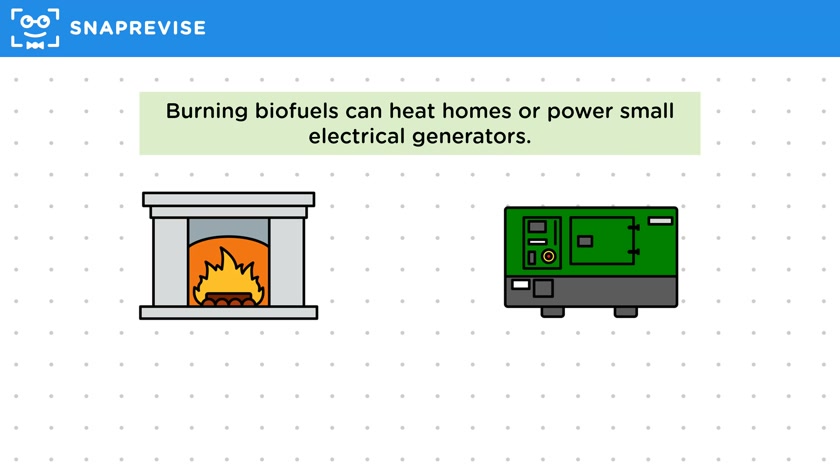
- Biofuels can heat homes or power small generators and can be refined into biodiesel for electricity generation.
- Biofuels are renewable if new plants are allowed to grow, but they are destroyed upon use.
- Replanting is necessary to maintain biofuel sustainability and prevent environmental damage.
- Advantages of biofuels include easy sourcing, renewability, and carbon neutrality.
- Disadvantages include lower energy release compared to fossil fuels, the need for refinement, and the necessity of replanting for renewability.
Please subscribe to access these revision notes.
This, and all other video notes, are included in our premium subscriptions.
Premium accounts get access to all videos and revision notes.
88
questions for Energy
41
questions for National and global energy resources