
GCSE Physics (AQA)
346 videos | 23 hours
Please subscribe to watch this video.
This, and all other videos, are included in our premium subscriptions.
Premium accounts get access to all videos.
Enable autoplay to keep watching
Your browser is blocking videos from playing automatically. To turn it back on:
Safari (Mac): Click the Safari menu item in the top bar, then Settings → Websites → Auto-Play, then set Auto-Play to Allow All Auto-Play for the current website.
Safari (iPhone/iPad): open the Settings app, then Apps → Safari → Auto-Play, and select Allow All Auto-Play.
Infrared Radiation
- Infrared radiation is a type of electromagnetic wave emitted and absorbed by all objects.
- Infrared waves have slightly longer wavelengths than visible light and are not visible to the human eye.
- Objects like a dog and a ball absorb and emit infrared waves, exchanging waves with each other.
- All objects, living or non-living, metal or non-metal, big or small, emit and absorb infrared waves.
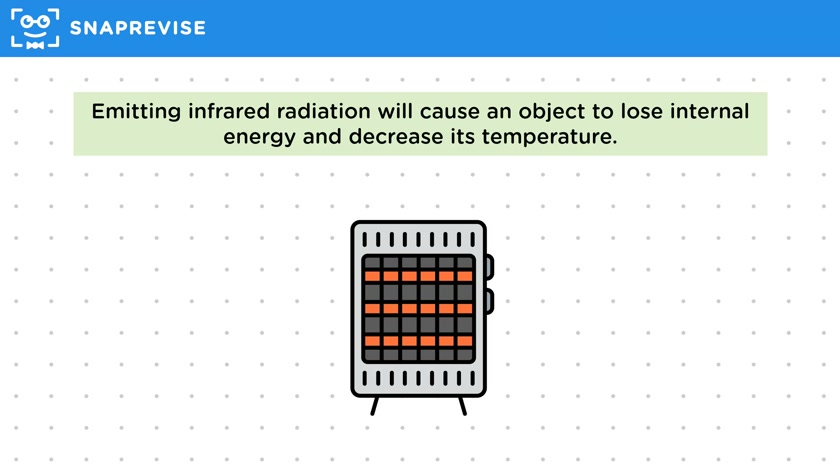
- Emitting infrared radiation causes an object to lose internal energy and decrease its temperature.
- This behavior is observable in hot meals cooling down or warm people in cold rooms.
- Electric heaters emit infrared waves to release built-up heat while still absorbing some waves.
- Absorbing infrared radiation causes an object to gain internal energy and increase its temperature.
- This is seen when warming up with a heater or melting ice in a warm room.
- Ovens use infrared waves to cook food, like a potato, by increasing its internal energy.
- Objects continue to emit their own infrared waves even while absorbing others.
- For exams, it's important to know that all objects can absorb and emit infrared waves, but not why this happens or why infrared waves specifically are involved.
Please subscribe to access these revision notes.
This, and all other video notes, are included in our premium subscriptions.
Premium accounts get access to all videos and revision notes.
172
questions for Waves
19
questions for Black body radiation (physics only)