
GCSE Physics (AQA)
346 videos | 23 hours
Please subscribe to watch this video.
This, and all other videos, are included in our premium subscriptions.
Premium accounts get access to all videos.
Enable autoplay to keep watching
Your browser is blocking videos from playing automatically. To turn it back on:
Safari (Mac): Click the Safari menu item in the top bar, then Settings → Websites → Auto-Play, then set Auto-Play to Allow All Auto-Play for the current website.
Safari (iPhone/iPad): open the Settings app, then Apps → Safari → Auto-Play, and select Allow All Auto-Play.
Lubrication
- Friction occurs when two objects rub against each other due to the interaction between their surfaces.
- Even smooth surfaces have tiny irregularities that cause friction as particles rub together.
- Friction opposes motion, converting kinetic energy to thermal energy, causing heat loss to surroundings.
- Work must be done to keep an object moving against friction, replacing lost energy.
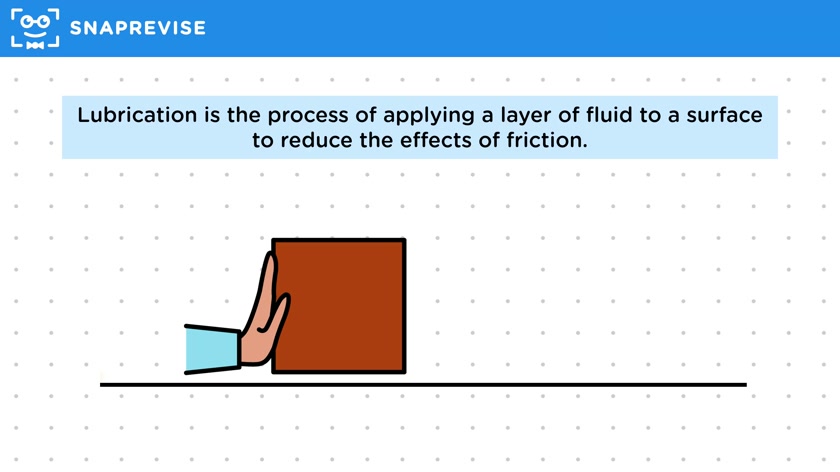
- Lubrication reduces friction by applying a fluid layer to surfaces.
- Oil and grease are common lubricants used in machines and engines to reduce wear and extend lifespan.
- Lubrication fills surface irregularities, making them smoother and reducing friction and heat loss.
- Lubrication is useful in industry to reduce energy losses in machinery.
- Lubricated gears require less energy to spin due to reduced friction.
- Examples include engine oil in cars to lubricate pistons, allowing smoother movement and lower operating temperatures.
- Businesses benefit from lubrication by reducing electricity and running costs.
Please subscribe to access these revision notes.
This, and all other video notes, are included in our premium subscriptions.
Premium accounts get access to all videos and revision notes.
88
questions for Energy
25
questions for Conservation and dissipation of energy