
GCSE Physics (AQA)
346 videos | 23 hours
Please subscribe to watch this video.
This, and all other videos, are included in our premium subscriptions.
Premium accounts get access to all videos.
Enable autoplay to keep watching
Your browser is blocking videos from playing automatically. To turn it back on:
Safari (Mac): Click the Safari menu item in the top bar, then Settings → Websites → Auto-Play, then set Auto-Play to Allow All Auto-Play for the current website.
Safari (iPhone/iPad): open the Settings app, then Apps → Safari → Auto-Play, and select Allow All Auto-Play.
Main Sequence Star
- Main sequence stars are recently formed stars in the main stage of their lifetime.
- Stars form when dust and gas in space are pulled together by gravity, leading to fusion of hydrogen atoms.
- Fusion reactions distinguish main sequence stars from forming stars.
- The sun is a main sequence star.
- Main sequence stage lasts for millions of years until hydrogen in the core is depleted.
- Fusion of hydrogen atoms results in helium atoms.
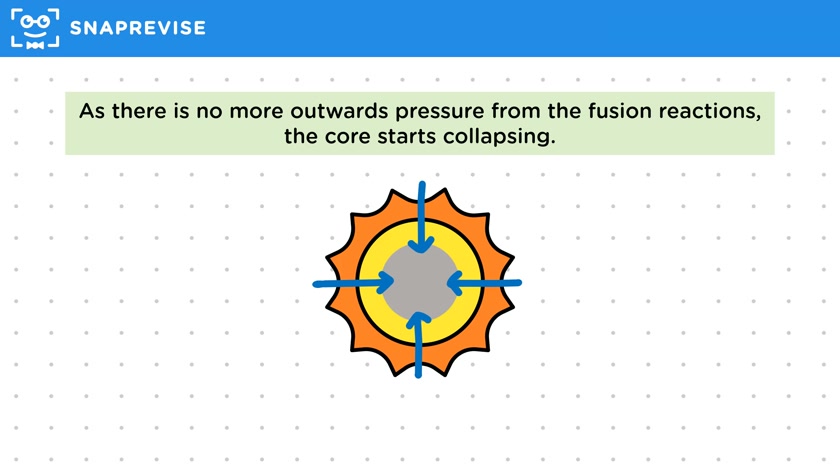
- Once hydrogen is depleted, no more hydrogen fusion occurs in the core.
- Lack of fusion causes the core to collapse due to gravity.
- Normally, fusion provides outward pressure to oppose gravity, but without fusion, the core shrinks.
- Core compression heats it up, allowing fusion of larger atoms.
- Helium fusion depends on the star's size.
- Increased pressure from fusion causes the star's outer shell to expand, become redder, and cool down.
- Stronger fusion reaction results in stronger outward pressure, causing the star to expand and change color.
- Although more heat is produced in the core, it is spread thinly, cooling the surface and reddening the color.
- Detailed knowledge of these processes is not required at GCSE level.
Please subscribe to access these revision notes.
This, and all other video notes, are included in our premium subscriptions.
Premium accounts get access to all videos and revision notes.
61
questions for Space physics (physics only)
42
questions for Solar system; stability of orbital motions; satellites (physics only)