
GCSE Physics (AQA)
346 videos | 23 hours
Please subscribe to watch this video.
This, and all other videos, are included in our premium subscriptions.
Premium accounts get access to all videos.
Enable autoplay to keep watching
Your browser is blocking videos from playing automatically. To turn it back on:
Safari (Mac): Click the Safari menu item in the top bar, then Settings → Websites → Auto-Play, then set Auto-Play to Allow All Auto-Play for the current website.
Safari (iPhone/iPad): open the Settings app, then Apps → Safari → Auto-Play, and select Allow All Auto-Play.
Transparency & Translucency
- An object is transparent if visible light is completely transmitted through it.
- Visible light is a small part of the electromagnetic spectrum that can be seen by our eyes.
- We see objects because of the light reflecting off them.
- An object is transparent if light fully transmits through it without reflecting or being absorbed.
- Examples of transparent objects:
- Glass window: Allows light to enter a room, reducing the need for artificial lighting, and lets us see outside without losing heat.
- Water: Allows light to pass through, reflect off objects like a coin, and exit, enabling us to see submerged objects.
- Understanding transparency is not necessary, but explaining light behavior at transparent materials is important for exams.
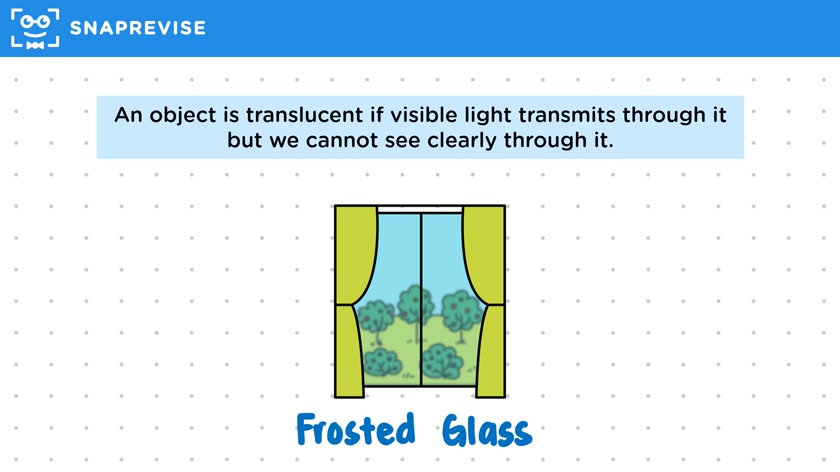
- Translucent objects allow light to pass through but do not allow clear visibility.
- Example: Frosted glass refracts light multiple times, preventing clear image formation, useful for illumination without visibility.
- Opaque objects do not allow visible light to pass through as it is reflected or absorbed.
- Examples of opaque objects:
- Brick wall: Absorbs most light, reflects some, preventing visibility and light entry into a house.
- Mug: Does not allow light to pass through, preventing visibility of contents.
- For exams, recall definitions of transparent, translucent, and opaque, and identify which term applies to a given object.
Please subscribe to access these revision notes.
This, and all other video notes, are included in our premium subscriptions.
Premium accounts get access to all videos and revision notes.
172
questions for Waves
81
questions for Electromagnetic waves