
GCSE Physics (AQA)
346 videos | 23 hours
Please subscribe to watch this video.
This, and all other videos, are included in our premium subscriptions.
Premium accounts get access to all videos.
Enable autoplay to keep watching
Your browser is blocking videos from playing automatically. To turn it back on:
Safari (Mac): Click the Safari menu item in the top bar, then Settings → Websites → Auto-Play, then set Auto-Play to Allow All Auto-Play for the current website.
Safari (iPhone/iPad): open the Settings app, then Apps → Safari → Auto-Play, and select Allow All Auto-Play.
Ultrasound Imaging
- Ultrasound waves are sound waves with frequencies above human hearing.
- Ultrasound waves reflect well off most surfaces, allowing for distance calculation by timing the pulse's round trip.
- An image of an object can be formed by directing ultrasound waves at it from multiple angles and points.
- Reflected waves help measure the distance from the source to the object.
- A computer collects data to determine points of reflection, creating an image of the object's shape.
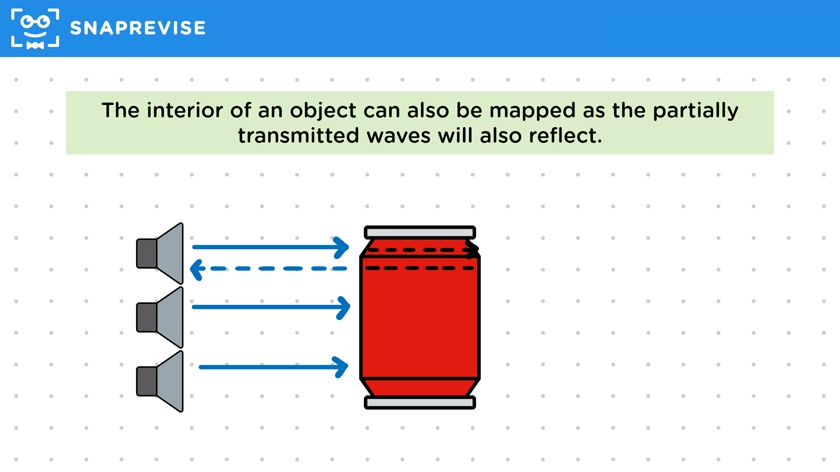
- Ultrasound imaging can also map the interior of an object by analyzing partially transmitted waves.
- The speed of ultrasound waves depends on the density of the material they travel through.
- Ultrasound imaging can determine if a can is half full by analyzing wave travel times and speeds.
- Ultrasound imaging is widely used in medical procedures as it is not harmful to patients.
- Unlike CT scans or tracers, ultrasound does not involve ionizing radiation, making it safe for unborn babies.
- Hospitals use ultrasound technology to provide live images or real-time videos of fetuses.
- Understanding the basics of ultrasound and its medical applications is important for exams.
Please subscribe to access these revision notes.
This, and all other video notes, are included in our premium subscriptions.
Premium accounts get access to all videos and revision notes.
172
questions for Waves
72
questions for Waves in air, fluids and solids