
GCSE Maths (Edexcel)
435 videos | 33 hours
Please subscribe to watch this video.
This, and all other videos, are included in our premium subscriptions.
Premium accounts get access to all videos.
Enable autoplay to keep watching
Your browser is blocking videos from playing automatically. To turn it back on:
Safari (Mac): Click the Safari menu item in the top bar, then Settings → Websites → Auto-Play, then set Auto-Play to Allow All Auto-Play for the current website.
Safari (iPhone/iPad): open the Settings app, then Apps → Safari → Auto-Play, and select Allow All Auto-Play.
Special Sequences
- A sequence can be formed of square or cube numbers
- The nth term of a sequence of square numbers is n squared
- The nth term of a sequence of cube numbers is n cubed
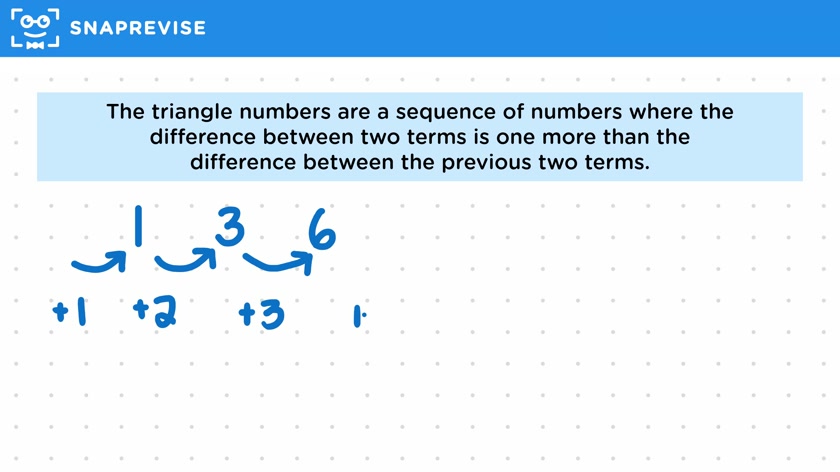
- Triangle numbers are a sequence where the difference between two terms is one more than the difference between the previous terms
- The first term of triangle numbers is 1, and each subsequent term is obtained by adding one more than the previous number
- Triangle numbers can be visualized as the numbers needed to make larger and larger triangles
- The Fibonacci numbers are a sequence where the next term is found by adding together the previous two terms
- The Fibonacci sequence can start with either 0, 1 or 1, 1
- The Fibonacci numbers are linked to the golden ratio and golden spiral, which appear frequently in nature and architecture
Please subscribe to access these revision notes.
This, and all other video notes, are included in our premium subscriptions.
Premium accounts get access to all videos and revision notes.
310
questions for Algebra
32
questions for Sequences