
GCSE History (Pearson IGCSE)
Topic Summaries
Medieval medicine
Features of medieval Britain
- Most people in medieval Britain lived in small villages or crowded towns with poor living conditions.
- Houses for the poor were usually made of wood, wattle and daub, with thatched roofs, which were highly flammable and difficult to keep clean.
- Animals were often kept close to or inside homes, increasing the spread of disease.
- Diet depended on wealth; the poor mainly ate bread, pottage and vegetables, while the rich consumed meat, fish and spices.
- Clean water was limited, especially in towns, as rivers and wells were often contaminated by waste. Cleanliness was a luxury.
- Waste disposal was poor, with human and animal waste frequently thrown into streets or rivers.
- Public health was mostly concerned with addressing the most egregious problems like contaminated water and rotting rubbish in the streets. For example, fines were issued in the wake of the Black Death in 1350 prohibiting the dumping of “dung and filth of garbage and entrails” into rivers and waterways.
- The Church played a major role in governing people’s lives and encouraged ideas of miraculous healing, with many shrines containing relics of hair and bones of a holy person.
- Between the years 1000 to 1500, over 700 hospitals were opened.
- The Christian Church controlled universities where people studied medicine and trained to be doctors. However, the Church saw the role of a doctor as a caretaker and preventer, providing comfort rather than healing or curing disease.
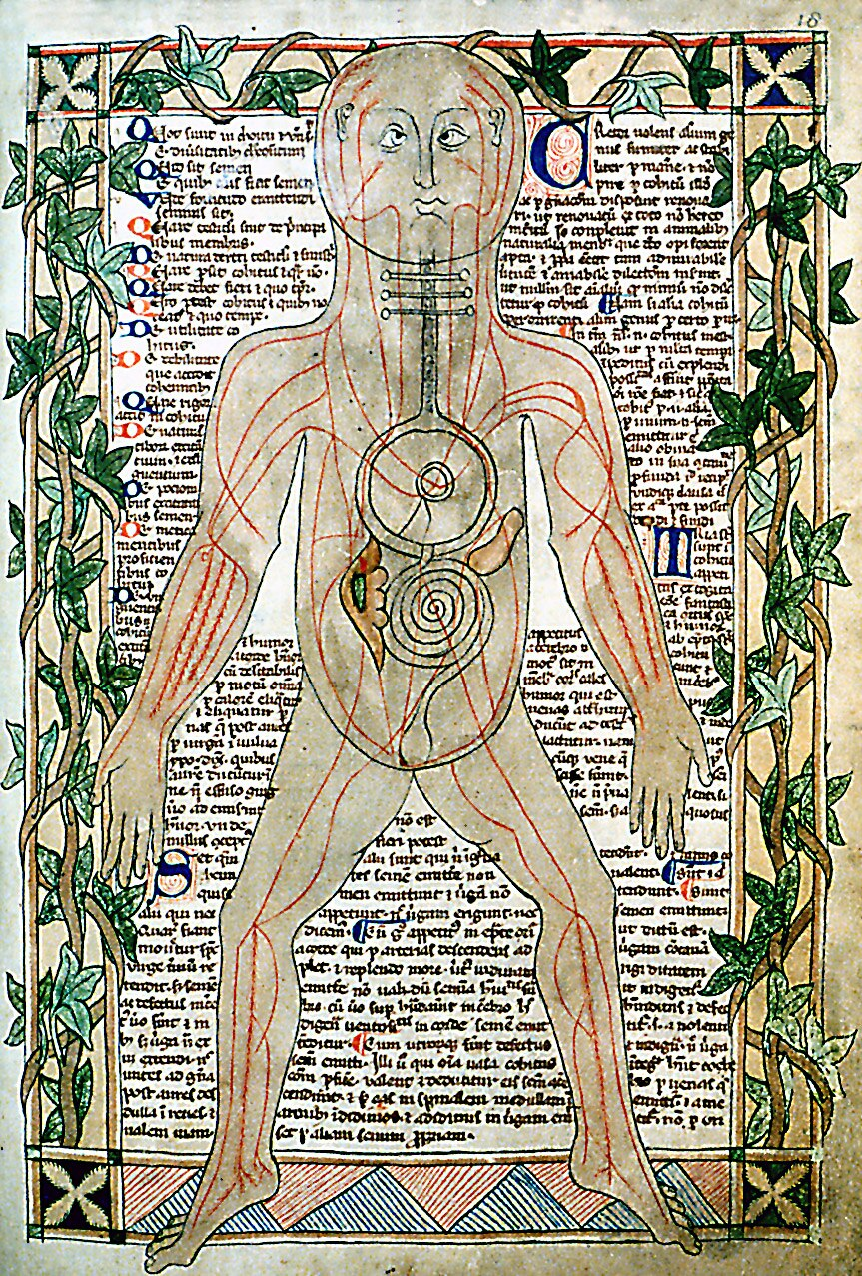
A 13th century anatomical illustration (~1292)
Unlock Features of medieval Britain
Sign up to unlock the rest of this topic — plus every other topic, video, flashcard set and eBook guide in your SnapRevise Digital subscription.
Cancel anytime — instant access the moment you sign up.
Report an Issue
Spotted something wrong? Let us know and we'll take a look.