
GCSE Physics (OCR A)
Topic Summaries
Charge, current, and electric fields
Static charge
- When certain insulating materials are rubbed together, electrons will transfer from one material to the other.
- This produces a static charge in both objects.
- The object which gains electrons becomes negatively charged while the object which loses electrons becomes positively charged. These charges are equal and opposite.
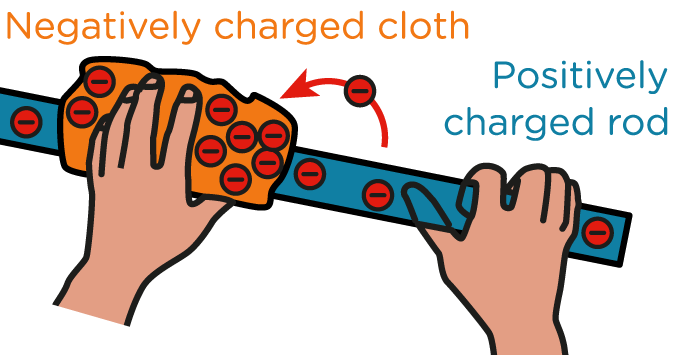
- Two charged objects will attract each other when they have opposite charges and repel each other when they have like charges.
- A spark is produced when a current flows from a charged object to an earthed metal object.
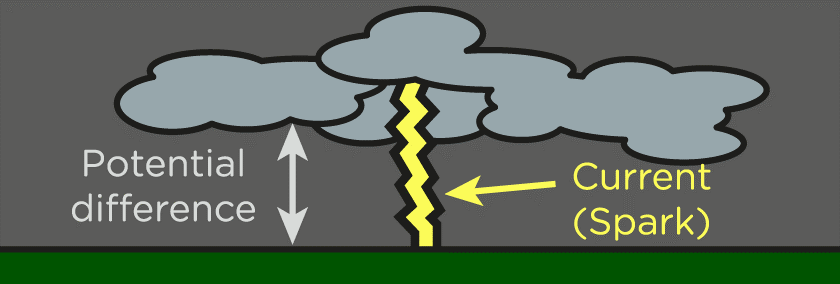
- Thunder clouds are examples of static electricity on a large scale.
- Clouds gain charge when ice crystals in them rub together.
- The bottom of the cloud gains a large negative charge.
- Lightning is a spark between the cloud and the Earth due to a potential difference of millions of volts between them.
Unlock Static charge
Sign up to unlock the rest of this topic — plus every other topic, video, flashcard set and eBook guide in your SnapRevise Digital subscription.
Cancel anytime — instant access the moment you sign up.
Report an Issue
Spotted something wrong? Let us know and we'll take a look.